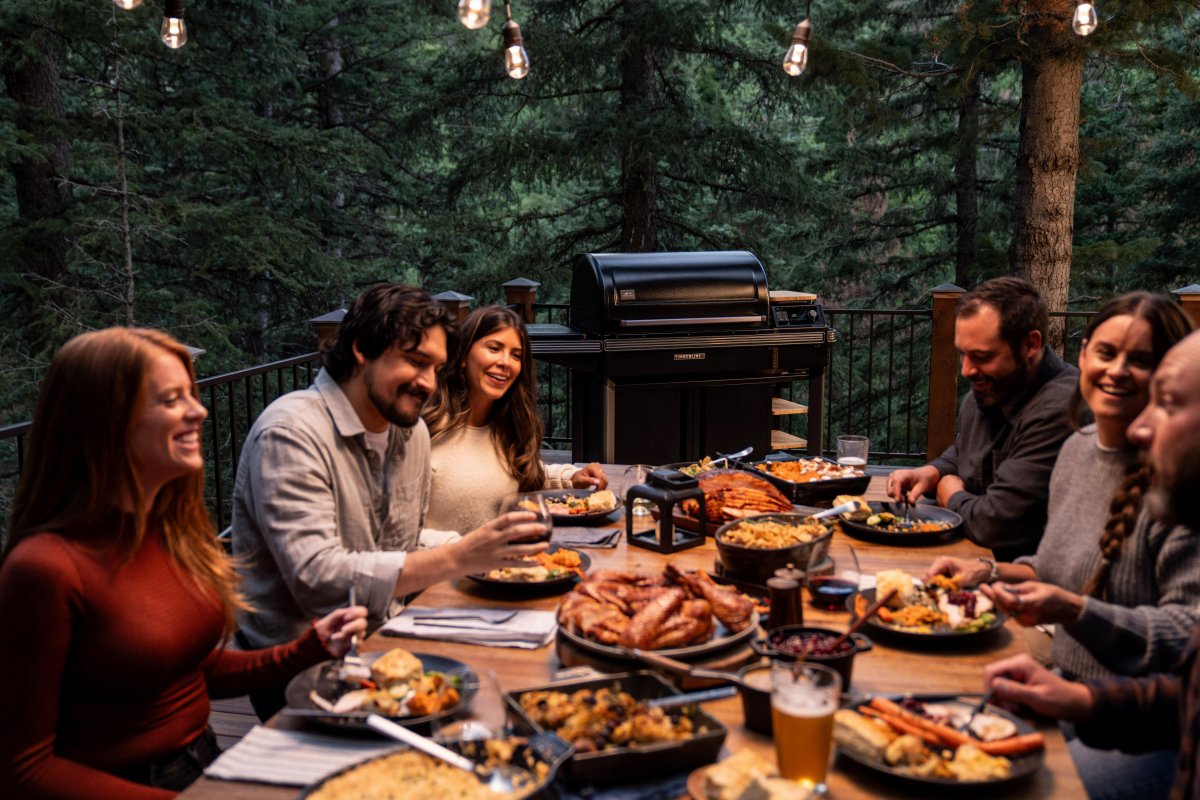
Low and Slow vs. Hot and Fast: A Southern Tier Pitmaster’s Guide to Summer Smoking Sessions on Your Traeger
If you’ve been cooking on a Traeger for a season or two, you’ve probably figured out the basics: set the temperature, add your pellets, and let the grill do most of the work. But as the summer grilling season hits full stride, it’s worth going a little deeper into the two fundamentally different cooking approaches that a wood pellet grill does better than almost anything else — low-and-slow smoking and hot-and-fast searing. Understanding when to use each one, and how to get the most out of both, is what separates a good backyard cook from a great one.
Whether you’re firing up a Traeger from ANC’s showroom or you’ve had yours for a few seasons, this guide will help you get more out of every cook this summer in the Southern Tier.
The Case for Low and Slow: Where Wood Pellet Grills Shine
Low-and-slow cooking is the technique that built Traeger’s reputation. Running the grill between 180°F and 250°F for an extended period — often four to twelve hours or more — does something that no other cooking method replicates: it breaks down tough connective tissue in larger cuts while simultaneously building layers of smoke flavor that penetrate deep into the meat.
The cuts that benefit most from this approach are the ones with abundant collagen and fat: pork shoulder (pulled pork), brisket, beef short ribs, whole chicken, and pork ribs. These are the foods that emerge from a long, smoky cook with a mahogany bark on the outside and tender, pull-apart texture inside. On a Traeger, low-and-slow also means remarkably consistent results, because the WiFIRE controller on models like the Timberline maintains temperature within a tight range automatically — you’re not babysitting a fire.
For the best smoke production at low temperatures, use Traeger’s Super Smoke Mode (available on WiFIRE-enabled grills) at temperatures between 165°F and 225°F. This proprietary feature maximizes the production of clean blue smoke — the kind that imparts pure hardwood flavor without the bitter, acrid quality that white smoke can produce. On a warm Southern Tier summer night, a brisket set to smoke overnight is one of life’s great pleasures.
Pellet Selection Matters More Than You Think
For low-and-slow cooks, pellet choice has a real impact on flavor. A few general principles for summer cooks in the Southern Tier:
- Cherry or apple pellets pair beautifully with pork — mild, slightly sweet smoke that complements rather than overwhelms
- Hickory or mesquite brings a bold, assertive smokiness ideal for beef brisket and ribs
- Pecan is a versatile middle-ground wood that works well with poultry, pork, and beef
- Traeger Signature Blend is a reliable all-purpose option that performs well across a wide range of proteins
Pick up your pellets at ANC’s showroom, where we stock the full Traeger lineup including specialty flavors that can be harder to find locally.
Hot and Fast: Getting a Real Sear from a Pellet Grill
The knock on pellet grills for years was that they couldn’t produce a proper sear. That criticism is largely outdated on modern Traeger models, which can reach 500°F — hot enough to leave genuine grill marks and develop the Maillard reaction crust that makes a great steak worth eating.
For steaks, burgers, chicken breasts, and vegetables where you want high-heat caramelization and a fast cook, crank the Traeger to its maximum temperature setting and allow at least 15 minutes to fully preheat. On the Timberline, the dual-position bottom grate can be lowered closer to the drip tray for more intense radiant heat — which makes a meaningful difference when you’re chasing restaurant-quality grill marks on a thick ribeye.
For the best sear results: pat proteins dry before they hit the grill (surface moisture is the enemy of crust formation), season generously, and resist the urge to move the food too early. Let it release naturally from the grate before flipping. Thicker steaks benefit from a reverse-sear approach: smoke at 225°F until the internal temperature is about 10–15 degrees below your target, then crank to 500°F for a final 2–3 minutes per side. The result is an evenly cooked interior with a hard crust that’s difficult to achieve any other way.
Managing a Full Summer Grill Session
One of the best things about summer in the Southern Tier is the long days, which give you plenty of time to do both techniques in a single session — start a pork shoulder low and slow in the morning, then transition to hot and fast for burgers when guests arrive in the afternoon. The Traeger app makes managing multi-phase cooks straightforward: you can monitor temperatures remotely, set alerts for when the meat probe hits your target, and adjust the temperature from your phone without leaving the conversation.
Our post on getting the most out of your Traeger year-round has additional tips for every season, and if you’re newer to pellet grilling, our beginner’s guide to Traeger cooking covers the fundamentals from start to finish.
Frequently Asked Questions About Traeger Cooking Techniques
The classic approach for baby back or spare ribs is the 3-2-1 method: three hours at 225°F unwrapped for smoke penetration, two hours wrapped in foil with a little liquid (apple juice, butter, and brown sugar is a popular combination) for tenderness, and one final hour unwrapped to set the bark. For a firmer, more competition-style bite, reduce the wrapped phase to 90 minutes. The result should be ribs that bend nearly in half when picked up by one end without the meat falling off entirely.
Plan on roughly 60–75 minutes per pound at 225°F, though brisket is notorious for its “stall” — a period where the internal temperature stops rising for an extended time, typically around 150–165°F. This is normal and caused by evaporative cooling. Wrapping the brisket in butcher paper or foil (the “Texas Crutch”) when it hits the stall will push through it faster. Pull the brisket when the internal temperature reaches 200–205°F and the probe slides in with no resistance, then rest it wrapped in a cooler for at least an hour before slicing.
Yes, with some precautions. Light rain generally won’t cause problems for a Traeger, though the grill will work harder to maintain temperature in cold, wet conditions — you may see some temperature variability. Never allow water to enter the hopper, as wet pellets will clump and cause feed problems. A Traeger grill cover is a smart investment for Southern Tier summers where afternoon storms can pop up quickly. Store pellets in a sealed container rather than leaving an open bag outside.
Chuck roast is the ideal starting point for low-and-slow beef on a Traeger. It’s forgiving, inexpensive relative to brisket, and produces outstanding results when cooked to 200–205°F at 225°F. Season generously with salt, pepper, and garlic, smoke unwrapped until an internal temperature of about 165°F, then wrap in foil with a splash of beef broth and continue until probe-tender. The result shreds like pulled pork and is excellent in tacos, sandwiches, or on its own. Once you’ve nailed chuck roast, brisket is a natural next step.
ANC Heating and Air Conditioning is the Greater Binghamton area’s authorized Traeger dealer. We carry a full selection of grills, pellets, accessories, rubs, and sauces at our showroom locations. Our team can help you select the right model for your cooking style and space — from the versatile Pro Series to the feature-packed Timberline for the serious backyard pitmaster. Stop in or give us a call to see what’s in stock.
Fire Up Your Best Summer Yet
The Southern Tier’s warm months are short and worth savoring. Whether you’re breaking in a brand-new Traeger or squeezing more out of a grill you’ve had for years, mastering both low-and-slow and hot-and-fast cooking will expand your backyard repertoire dramatically. Stop by our showroom, browse our pellet selection, and let our team help you plan your next great cook.
Visit us in person or call (607) 748-6435. You can also explore the Traeger recipe library for hundreds of step-by-step cooks designed specifically for wood pellet grills.