A Homeowner's Guide to Installing a Wood-Burning Fireplace or Stove in Your Binghamton Area Home
There's something deeply appealing about heating your home with a real wood fire — the warmth, the crackle, the glow on a cold Binghamton winter night. Whether you're looking to add a freestanding wood stove, a fireplace insert, or a brand-new built-in fireplace, installing wood-burning heat in your home is an exciting project. But it's also one that requires careful planning.
With 60+ years of experience installing hearth products for homeowners across the Greater Binghamton area, ANC Heating and Air Conditioning is here to walk you through what's involved — from chimney requirements to choosing the right unit for your space.
Wood Stove vs. Fireplace Insert vs. Built-In Fireplace: What's the Difference?
Before you start shopping, it helps to understand the three main options for adding wood heat to your home. Each has its own installation requirements, cost considerations, and aesthetic appeal.
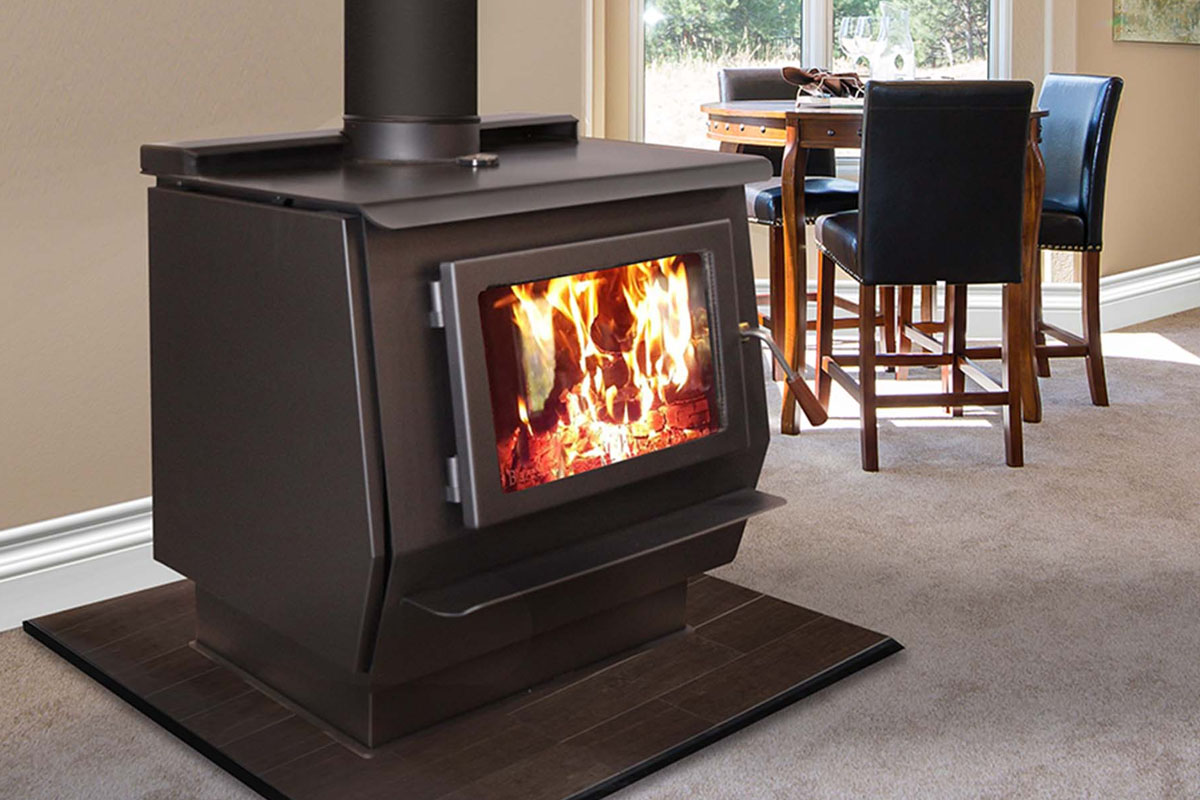
Freestanding wood stoves sit out in a room, typically on a non-combustible hearth pad, and connect to a chimney through a stovepipe. They radiate heat from all sides, making them very efficient at warming a space. Brands like Blaze King and Vermont Castings offer stoves that combine classic styling with modern EPA-certified clean-burn technology.
Fireplace inserts are designed to fit inside an existing masonry fireplace opening. If you already have a fireplace but it's drafty, inefficient, or you simply don't use it because it doesn't produce much heat, an insert transforms it into a powerful, efficient heat source. We covered the benefits in more detail in our post on reasons to consider fireplace inserts.
Built-in fireplaces are new construction installations — a firebox and chimney system built into a wall. This is the most involved option but gives you the most flexibility in placement and design. It's a popular choice for new additions, major renovations, or homes that never had a fireplace.
Chimney and Venting Requirements
Every wood-burning appliance needs a properly designed chimney or venting system to safely exhaust smoke and combustion gases. This is the most critical piece of any installation, and it's the main reason wood stove and fireplace installations should always be handled by a qualified professional.
For freestanding stoves and built-in fireplaces, you'll need either a masonry chimney or a factory-built insulated chimney system that extends through your roof. The chimney must meet specific height and clearance requirements dictated by local building codes and the appliance manufacturer.
For inserts going into an existing masonry fireplace, a stainless steel chimney liner is typically required. This liner runs from the insert up through the existing chimney to ensure proper draft and prevent dangerous creosote buildup in the old flue.
No matter which option you choose, the installation must comply with local building codes and NFPA 211 (the national standard for chimneys and fireplaces). ANC Heating handles all the details — from proper clearances to connecting with your local municipality's building department for any required permits.
Choosing the Right Wood-Burning Unit for Your Home
Selecting the right unit involves more than just picking a style you like. Here are the key factors our hearth specialists consider when helping Binghamton area homeowners choose:
- Room size and heating needs — A unit that's too large will overheat the space and waste fuel, while one that's too small won't keep you comfortable
- EPA certification — Modern EPA-certified stoves burn cleaner, produce less creosote, and use significantly less wood than older models
- Burn time — High-efficiency stoves from brands like Blaze King are known for extended burn times, meaning you load the stove less often
- Aesthetic preferences — From the rustic charm of a Vermont Castings stove to the sleek lines of a Pacific Energy insert, the right unit should complement your home's style
ANC carries a carefully curated selection of wood-burning products, including stoves and fireplaces from Vermont Castings, Blaze King, Pacific Energy, and Enviro. We invite you to visit our hearth showroom to see units burning live and get a feel for what works best in your home.
What About Pellet Stoves?
If you like the idea of wood heat but prefer a lower-maintenance option, a pellet stove is worth considering. Pellet stoves burn compressed wood pellets and feature automatic feed systems, thermostatic controls, and cleaner combustion than traditional cordwood stoves. ANC carries pellet stoves from St. Croix, which are known for their reliability and ease of use.
Pellet stoves also have simpler venting requirements than traditional wood stoves — many can be vented directly through an exterior wall, which expands your installation options significantly.
Installation Costs and What to Expect
The cost of installing a wood-burning fireplace or stove varies based on the type of unit, the complexity of the venting, and whether structural modifications are needed. As a general guideline for Binghamton area homeowners:
A freestanding wood stove with a new chimney system is typically the most straightforward installation. A fireplace insert with a new chimney liner falls in a similar range. A fully built-in fireplace with new construction chimney work is the most involved and carries the highest cost, but it also adds significant value to your home.
During your in-home consultation, our team will assess your space, discuss your budget and heating goals, and provide a detailed written estimate with no surprises. ANC is committed to fair, transparent pricing on every project.
Maintaining Your Wood-Burning System
Once your stove or fireplace is installed, regular maintenance is essential for safety and performance. You should have your chimney professionally inspected and swept at least once a year — more often if you burn frequently. Creosote buildup inside the chimney is the leading cause of chimney fires, and regular cleaning keeps that risk to a minimum.
Other maintenance basics include cleaning the ash pan regularly, inspecting the door gaskets and glass for wear, and using only properly seasoned hardwood. Burning wet or unseasoned wood creates excessive smoke and creosote, reduces heat output, and shortens the life of your appliance.
Ready to Add Wood Heat to Your Home?
Adding a wood-burning fireplace or stove is one of the most rewarding upgrades a homeowner can make — especially in a climate like ours where we lean on our heating systems for six months or more each year. Whether you're drawn to the self-sufficiency of wood heat, the ambiance of a real fire, or the potential energy savings, ANC Heating and Air Conditioning is here to make it happen safely and beautifully.
Call us at (607) 748-6435 or schedule a showroom visit to explore your options. We look forward to helping you bring the warmth of wood heat into your Binghamton area home.