Why Is My AC Leaking Water Indoors? 4 Things to Check First
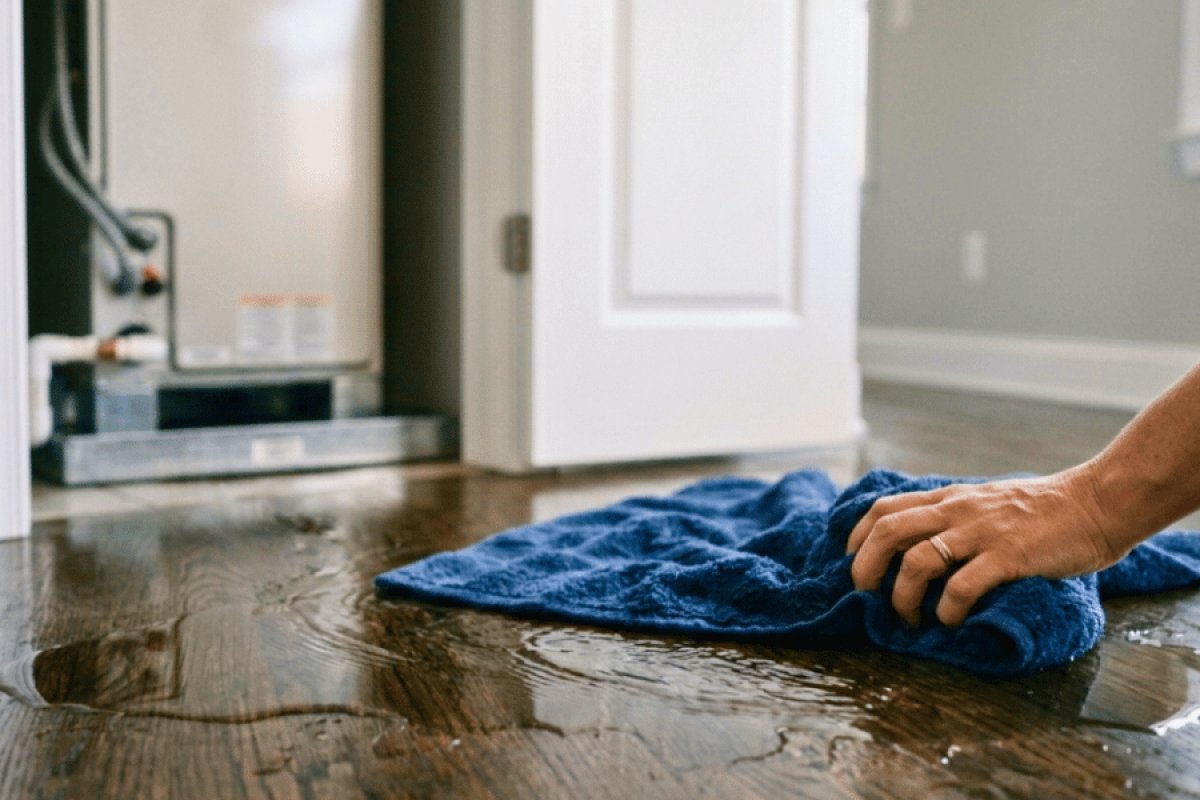
You walk past your AC and notice something that definitely shouldn’t be there: a puddle of water on the floor.
First things first—don’t panic.
Your air conditioner naturally produces water while it cools your home, especially during a hot, humid Southern Tier summer. The problem is that water is supposed to drain away quietly behind the scenes, not make an appearance on your floor.
Sometimes the culprit is something simple, like a dirty air filter. Other times, a clogged drain or frozen coil needs professional attention.
Either way, you don’t want to ignore it. A small puddle today can turn into damaged flooring, drywall, or a bigger AC repair if the leak keeps going.
So, before you start Googling the price of a new air conditioner, here are four things worth checking.
Wait—Why Is There Water in My AC Anyway?
Believe it or not, water is a normal part of the cooling process.
Your AC doesn't just cool the air. It also removes moisture from it. As warm household air passes over the cold evaporator coil, moisture condenses on the coil—just like water collecting on the outside of an ice-cold drink.
Normally, that water:
-
Drips into a drain pan.
-
Flows through the condensate drain.
-
Leaves your home.
You never even know it's happening.
When something interrupts that process, however, the water has to go somewhere. Unfortunately, that "somewhere" is sometimes your floor.
So, if you’ve found water around your AC, start with these four simple checks to narrow down what’s causing it.
1. Turn Off the AC and Grab Some Towels
Before you start playing detective, turn the cooling system off at the thermostat.
Then clean up any standing water with towels or a wet/dry vacuum. You're not fixing the cause yet—you're simply preventing the water that's already there from causing more damage.
As you're cleaning up the water, take a minute to look for clues that can help you narrow down where the leak is coming from:
-
Where is the water starting? Look around the drain pan, pipes, and base of the indoor unit.
-
How much water is there? A few drops and a growing puddle can point to very different problems.
-
Do you see any ice or frost? This could indicate a frozen evaporator coil.
-
Has the water spread? Check nearby flooring, walls, or ceilings for signs of moisture.
And one important rule: if water is anywhere near electrical components, stop there.
Don't remove panels or reach inside the equipment. Leave the system off and call a professional.
2. Check the Air Filter—Seriously
A puddle of water and a dirty air filter don't seem like they'd have much to do with each other.
They absolutely can.
Your AC needs steady airflow across its evaporator coil. When a filter becomes packed with dust and debris, airflow drops. The coil can get too cold and eventually freeze.
Then comes the messy part.
When all that ice melts, the extra water can overwhelm the drainage system and end up around your indoor unit.
Pull out your filter and take a look. If it's coated in dust and you can barely see through it, replace it with the correct filter for your system.
You may be dealing with a frozen coil if you also notice:
-
Ice or frost around the indoor equipment
-
Weak airflow from your vents
-
Your AC running without cooling very well
-
Water appearing as the system thaws
If you see ice, resist the temptation to scrape it off. Turn the cooling system off and allow it to thaw naturally.
A new filter may solve the problem if restricted airflow caused the freeze. If the coil freezes again, though, don't keep repeating the process. Low refrigerant or another mechanical problem could be responsible, and that's when you'll want an HVAC technician to take a look.
3. See If the Condensate Drain Is Backed Up
Filter looks good? Your condensate drain is the next suspect.
Remember all that humidity your AC pulls out of the air? During a muggy Southern Tier summer, it can add up to quite a bit of water.
Dust, dirt, algae, and other buildup can eventually clog the drainage system. Once water can't get out, it backs up into the drain pan and can eventually overflow.
Clues that point toward a clogged drain include:
-
Water around the indoor unit
-
Standing water in the drain pan
-
A musty smell near your AC
-
Water stains around the equipment
-
An AC that suddenly shuts itself off
That last one can actually be good news.
Some systems have a float switch that shuts down the AC when water backs up. It may seem like your air conditioner suddenly quit, but the switch could be preventing an even bigger mess.
This is where we'd put down the DIY tools.
If the condensate line needs to be cleared, have a professional handle it. A technician can remove the blockage and make sure the entire drainage system is working correctly instead of simply getting rid of the water you can see.
4. Give the Drain Pan a Quick Look
If you can safely see the drain pan underneath your indoor equipment, give it a quick inspection.
Its job is pretty simple: catch condensation and send it toward the drain. But drain pans don't last forever. Age and corrosion can eventually cause cracks, rust, or other damage.
You don't need to disassemble anything. Just look for obvious clues.
Keep an eye out for:
-
Standing water
-
Rust or corrosion
-
Visible cracks
-
Water stains beneath the pan
-
Water that comes back after you've cleaned it up
If the pan is damaged, don't rely on a quick patch to get you through the summer. It needs to reliably handle condensation every time your AC runs.
That's a repair we'd recommend leaving to a professional.
Still Leaking? Your AC May Be Trying to Tell You Something
You've changed the filter. You don't see an obvious drain pan problem. And yet, there's that puddle again.
At this point, the water itself probably isn't the real problem. It's the clue.
A recurring AC leak can point to issues such as:
-
Low refrigerant, which can cause the evaporator coil to freeze
-
A damaged drain pan that no longer holds condensation
-
A blocked or improperly draining condensate system
-
A frozen evaporator coil caused by an airflow or mechanical problem
This is why we don't recommend getting into a cycle of wiping up the puddle and turning the AC back on.
If the water keeps coming back, there's a reason. Finding that reason now is a lot easier than dealing with water damage, or an AC that quits completely, on a 90-degree afternoon.
Can I Keep Running My AC If It's Leaking?
We get why you'd want to. Nobody wants to shut off the AC in the middle of summer.
But if water is actively leaking indoors and you don't know the cause, turn the system off until you've figured out what's happening.
Your AC will continue producing condensation while it runs, which can make the leak, and the resulting water damage, worse.
Definitely leave the system off if:
-
Water is near electrical components
-
You see a frozen coil
-
The AC keeps shutting itself down
-
Water returns after you clean it up
-
You see significant rust or damage
-
Your AC isn't cooling normally
At that point, your AC has given you enough hints. It's time to have someone take a closer look.
A Little Water Can Be a Pretty Big Clue
Finding water around your AC is frustrating, but it doesn't automatically mean you're headed for a major repair.
Start simple. Turn the system off, clean up the water, check the filter, and look for ice or visible problems around the drain pan. Those few minutes can tell you quite a bit about what's happening.
Just know when to stop.
If the water keeps coming back, your coil freezes again, or something simply doesn't look right, don't keep running the system and hoping for the best.
ANC Heating & Air Conditioning has been helping homeowners across Endicott, Binghamton, Vestal, Johnson City, and the Southern Tier solve cooling problems for more than 60 years. If your AC has decided to start making puddles instead of just cold air, schedule service online with ANC today. We'll find the source of the leak, explain what's going on, and get your system back to doing the one job you actually want it to do: keeping you cool.