Why a Boiler Tune-Up in Summer Beats Waiting Until the First Cold Snap in Greater Binghamton
Here’s a conversation that plays out every November in homes across the Greater Binghamton area: the temperature drops hard overnight, someone turns on the boiler for the first time since spring — and nothing happens. Or worse, something happens, but it’s a bang, a leak, or a call to an HVAC company that’s booked two weeks out because half the Southern Tier is in the same situation. If you heat your home with a boiler, this is a cycle you can break — and summer is exactly the right time to do it.
Scheduling your boiler tune-up in June, July, or August isn’t just about convenience. It’s a genuinely smarter approach to home maintenance that saves money, extends equipment life, and keeps your family warm when it matters most. Here’s why.
Technicians Are Available — and So Is Your Time
The HVAC service calendar has a predictable rhythm. Fall and early winter are the busiest seasons of the year. When the first cold snap hits the Southern Tier, every homeowner who put off their heating maintenance is calling at once. Appointment windows stretch, emergency call volumes spike, and the earliest available slot may be days away.
Summer is the opposite. Scheduling is flexible, technicians can take their time doing a thorough job rather than rushing between calls, and you can pick an appointment that actually works for your schedule. There’s also a practical benefit for your household: if the tune-up reveals a repair that’s needed, you have weeks or months to address it at your pace, rather than scrambling in the cold. This is especially important for older boilers common in Binghamton’s mid-century housing stock, where a small issue left unaddressed can turn into a major one by December.
What a Professional Boiler Tune-Up Actually Covers
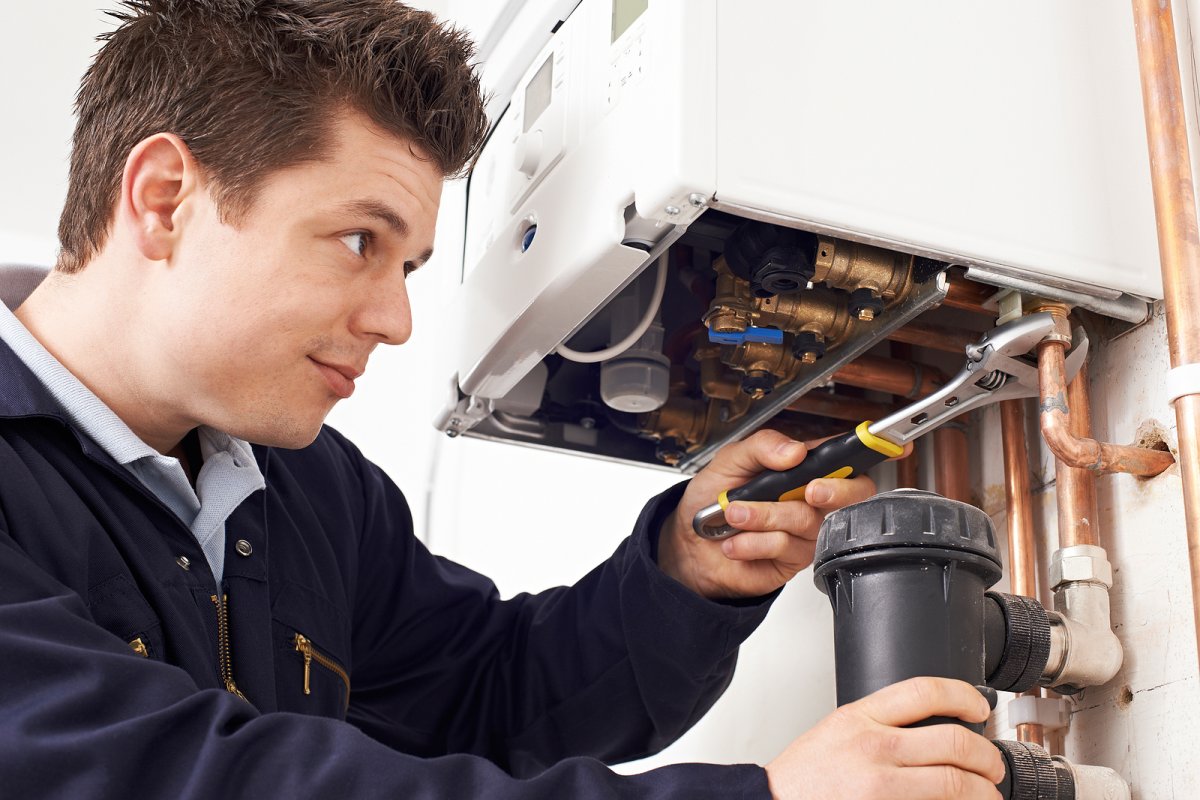
A boiler tune-up isn’t just a visual inspection and a wipe-down. A thorough service visit from ANC’s NATE-certified technicians covers the components that matter most to safe, efficient operation:
- Burner cleaning and combustion analysis to ensure your boiler is burning fuel cleanly and efficiently
- Heat exchanger inspection for cracks or deterioration that could allow carbon monoxide to enter your living space
- Circulator pump check to confirm water is moving properly through your radiators or baseboard zones
- Pressure and temperature relief valve test — a critical safety component that’s easy to overlook
- Expansion tank inspection and system pressure check
- Flue and venting inspection to ensure combustion gases are exiting safely
Boilers that run on a steady maintenance schedule consistently outperform neglected systems in efficiency, reliability, and lifespan. Brands like Lochinvar — one of the premium lines ANC installs — are built to last decades when properly maintained. Utica Boilers, another trusted name in our lineup, carries a similar reputation for durability, but even the best equipment needs regular attention to deliver on that promise.
Efficiency Gains That Show Up on Your Gas Bill
A boiler that hasn’t been serviced accumulates scale buildup on heat exchanger surfaces, burners become partially clogged, and combustion efficiency gradually declines. The system still heats — it just works harder and uses more fuel to do it. Over a full heating season in a Greater Binghamton home, that inefficiency adds up to real money.
A clean, properly tuned boiler operates closer to its rated efficiency. For a typical Southern Tier home spending $1,200–$1,800 annually on heating fuel, even a modest efficiency improvement of 5–10% translates to meaningful savings — often enough to offset the cost of the tune-up itself within the first season. If you’re a Gold Eagle Member, the 15% discount on repairs and priority service status make the math even more favorable. NYSEG customers should also check available NYSEG energy efficiency programs, which periodically offer rebates for heating system tune-ups and upgrades.
Is It Time to Replace Rather Than Tune?
Sometimes a tune-up visit reveals that the smarter investment is a new boiler rather than continued repairs on an aging system. Our technicians will give you an honest read on where your equipment stands — no pressure, no upsell. If your boiler is showing signs of significant wear or has crossed into its later years, we’ll walk you through your boiler replacement options and the potential payback on a high-efficiency upgrade.
If your system is in good shape, you’ll leave the appointment with the confidence that comes from knowing your heating system has been professionally inspected and is ready for whatever the Southern Tier winter throws at it. Either way, summer is the right time to find out — not November 15th.
Frequently Asked Questions About Boiler Tune-Ups in Greater Binghamton
Most boiler manufacturers and HVAC professionals recommend annual tune-ups. For homes in the Greater Binghamton area with long, hard heating seasons, annual service is especially important. Skipping a year occasionally won’t ruin a well-maintained system, but a consistent annual schedule is the best way to maximize efficiency, catch small problems early, and keep your manufacturer’s warranty in good standing.
Signs that your boiler may need significant repairs or replacement include: visible corrosion or rust on the unit or in the surrounding area, a pilot light that frequently goes out, uneven heat distribution between rooms, unusual banging or kettling sounds during operation, repeatedly needing to repressurize the system, and sharply increasing gas bills without a change in usage patterns. Our post on boiler warning signs Binghamton homeowners shouldn’t ignore covers these in more detail.
A standard tune-up focuses on the boiler unit itself — burners, heat exchanger, controls, venting, and safety components. Bleeding radiators (releasing trapped air from the system) is sometimes included depending on the scope of the visit, and is something our technician can address if you mention cold spots in your radiators when you schedule. It’s a simple task that makes a noticeable difference in how evenly your home heats.
A thorough boiler tune-up typically takes between 60 and 90 minutes for a standard residential system. If the technician finds issues that need attention — such as a worn component, a venting concern, or a safety device that needs replacement — the visit may run longer. We’ll always give you a clear time estimate when you schedule and keep you informed if anything changes once the technician is on-site.
For homeowners with a boiler, the Gold Eagle Membership is an especially strong value. Boiler repairs can range from minor to significant, and the 15% discount on all repairs, combined with no overtime charges for emergency service calls, adds up quickly. Priority scheduling status means you move to the front of the line during busy season — which is exactly when boiler problems tend to surface. The monthly payment option also makes it easy to budget for home comfort without a large upfront cost.
Schedule Your Summer Boiler Tune-Up Today
Don’t let another heating season sneak up on you. ANC Heating and Air Conditioning has been keeping Greater Binghamton homes warm since 1963, and our team knows boilers inside and out — from Lochinvar and Utica systems to older cast iron units that have been heating Southern Tier homes for decades. A summer tune-up is the single best investment you can make in your heating system between now and November.
Call us at (607) 748-6435 or schedule your boiler service appointment online. Flexible summer scheduling means we can work around your calendar — and you’ll head into fall knowing your heat is ready.