Summer Storm Season: A Homeowner’s Guide to Protecting Your AC From Power Surges and Lightning Near Binghamton
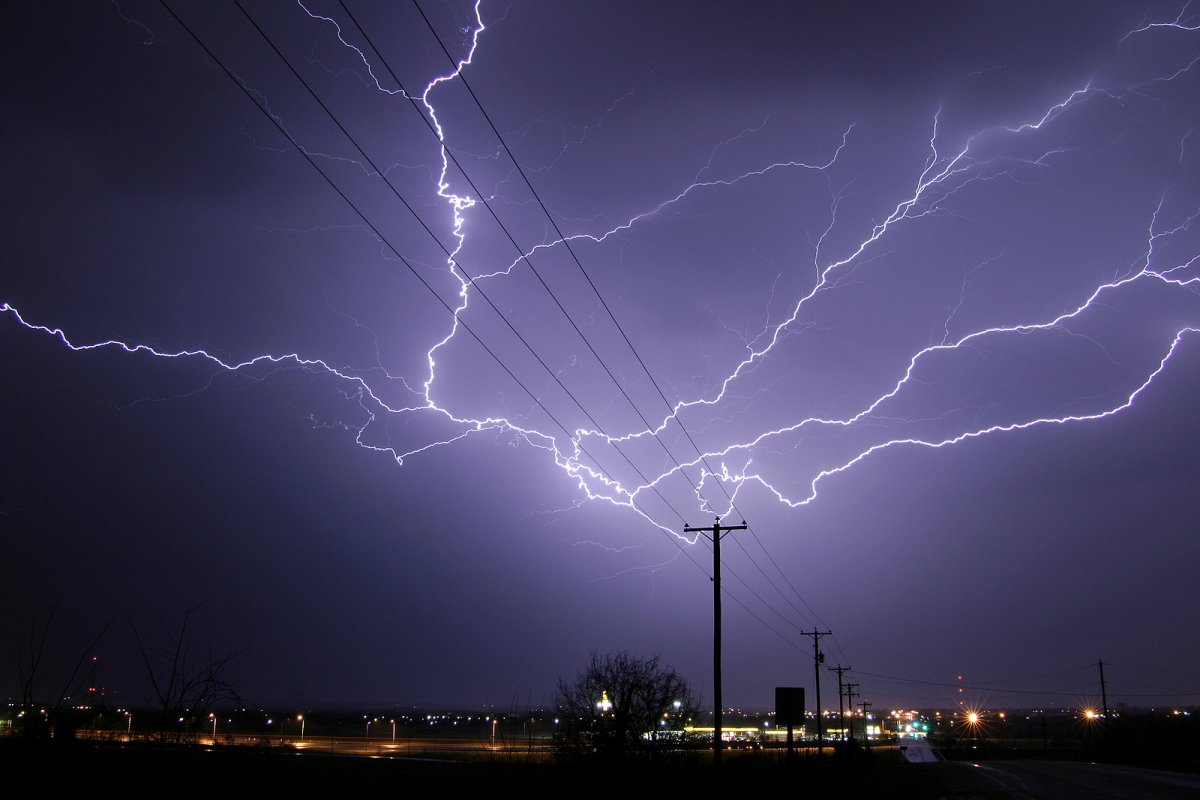
Greater Binghamton sits in one of the most active thunderstorm corridors in the Northeast. From June through August, pop-up storms can roll through the Southern Tier with little warning — and when they do, the lightning strikes and power surges they bring are among the most destructive forces an HVAC system can face. A direct or nearby lightning strike can destroy an air conditioner’s control board and compressor in a fraction of a second. Even indirect surges from utility line disturbances can degrade sensitive electronics over time, shortening the life of equipment you’ve invested thousands of dollars in.
The good news is that protecting your cooling system is straightforward, affordable relative to the cost of a repair or replacement, and something ANC Heating and Air Conditioning can handle in a single visit. Here’s what every Binghamton-area homeowner should know heading into storm season.
Why Your AC Is Especially Vulnerable to Surge Damage
Modern air conditioners are far more electronically sophisticated than the systems they replaced. Variable-speed compressors, smart thermostats, electronic expansion valves, and digital control boards are all standard features on today’s high-efficiency equipment — including the Amana cooling systems ANC installs throughout the service area. These components deliver significant efficiency and comfort benefits, but they come with a tradeoff: they’re far more sensitive to voltage irregularities than the simple single-speed motors of older equipment.
A power surge doesn’t have to be dramatic to cause damage. The utility grid experiences thousands of micro-surges every year from switching events, transformer activity, and line disturbances — most of which you never notice. But each one degrades unprotected electronics incrementally. The visible, catastrophic damage from a nearby lightning strike gets attention, but the quiet cumulative damage from routine surges is responsible for a large share of premature HVAC component failures.
What Whole-Home Surge Protection Actually Does
A whole-home surge protector installs at your electrical panel and acts as the first line of defense for every circuit in your house — including the dedicated circuit that powers your outdoor condenser unit. When a surge event occurs, the device clamps the voltage spike before it can travel to connected equipment. Think of it as a pressure relief valve for electricity.
Point-of-use surge protectors (the power strips most people use for electronics) provide a secondary layer of protection for indoor devices, but they offer no meaningful protection for large hardwired appliances like your central air conditioner, which connects directly to a dedicated breaker. The outdoor condenser unit is also fully exposed to the elements, making it physically the most vulnerable component in your HVAC system during a lightning event.
For HVAC-specific protection, ANC installs dedicated surge protective devices designed specifically for air conditioning equipment. These units go between the electrical disconnect and the condenser, providing targeted protection for the most expensive and most exposed components in your cooling system. Our post on whole-home surge protection for Binghamton homeowners covers the full picture of protecting every major system in your home.
Steps You Can Take Before Every Storm
Professional surge protection is the most reliable solution, but there are also practical steps you can take on your own to reduce risk during severe weather:
- Turn off your air conditioner at the thermostat before a major storm arrives — this reduces the risk of surge damage through the control wiring
- If your area is under a severe thunderstorm warning, consider switching your disconnect switch to “off” until the storm passes
- Keep the area around your outdoor condenser clear of debris — storm-blown branches and yard waste can damage coil fins and fan blades
- After a storm, inspect the outdoor unit visually before restarting; look for obvious physical damage, debris in the fan housing, and water pooling around the base
- If your system doesn’t start normally after a storm, check your breaker panel before calling for service
Also worth noting: NYSEG customers can check the NYSEG outage center to track power restoration and report issues in your area, which is useful context if your system isn’t responding after an outage — the problem may be on the utility side rather than the equipment side.
When to Call After a Storm Event
If your air conditioner fails to start after a significant storm, or if it’s running but behaving unusually — making strange noises, short-cycling, or not cooling effectively — don’t ignore it. Surge damage to a control board can cause subtle performance issues that worsen over time if the damaged component isn’t replaced.
ANC’s AC repair technicians are experienced with post-storm diagnostic work and can quickly determine whether your system has sustained electrical damage, a physical issue from debris, or a surge-related component failure. For Gold Eagle Members, there are no overtime charges for emergency service calls — which matters when a storm knocks out your AC on a Saturday night in July.
Frequently Asked Questions About Storm and Surge Protection for HVAC Systems
Most standard homeowner’s insurance policies cover direct lightning damage to permanently installed systems like your HVAC. However, coverage for surge damage from nearby strikes or utility fluctuations varies significantly by policy and insurer. Review your policy or contact your agent to understand your specific coverage. Even with insurance, a surge protection device is worth the investment — the claims process takes time, and you may face a deductible that exceeds the cost of the protective device itself.
HVAC-dedicated surge protection devices are a fraction of the cost of the equipment they protect. When you consider that an AC compressor or control board replacement can run into the hundreds or thousands of dollars — not to mention the discomfort of going without cooling during a repair wait in summer — the math strongly favors protection. Contact us at (607) 748-6435 for current pricing and to discuss the right solution for your system.
Yes — any modern HVAC equipment with electronic controls is vulnerable to surge damage, including furnaces, heat pumps, and ductless mini-split systems. Ductless systems are particularly sensitive because their inverter-driven compressors rely on sophisticated electronics that respond poorly to voltage irregularities. A whole-home surge protection strategy should account for all major HVAC equipment, not just the central AC.
Start at your electrical panel — look for a tripped breaker on the circuit labeled for the air conditioner or condenser. If the breaker is tripped, reset it once and see if the system starts normally. If it trips again immediately, stop and call a technician. Next, check the outdoor disconnect box (the small box mounted near the condenser) to make sure it hasn’t been tripped. Finally, inspect the outdoor unit visually for any obvious physical damage from debris. If all of those check out and the system still won’t run, you likely have a component that needs professional diagnosis.
Newer, high-efficiency air conditioners are generally more vulnerable to surge damage than older single-stage systems, because they contain more sophisticated electronics. This is actually one of the stronger arguments for surge protection on a new installation — you’ve just invested in a system with a 15–20 year lifespan, and protecting that investment from day one makes the most financial sense. If you’re considering a new AC installation, ask about adding surge protection as part of the installation package.
Protect Your Cooling System Before the Next Storm Hits
Summer storms in Greater Binghamton are a fact of life — but HVAC damage from them doesn’t have to be. ANC Heating and Air Conditioning can assess your current level of protection and install the right surge protection solution for your home and equipment in a single service visit. Don’t wait until after a damaging storm to wish you’d taken care of it.
Call us at (607) 748-6435 or schedule a service appointment online. Our team serves homeowners throughout Greater Binghamton, Endicott, Vestal, Owego, Ithaca, and the surrounding Southern Tier communities.