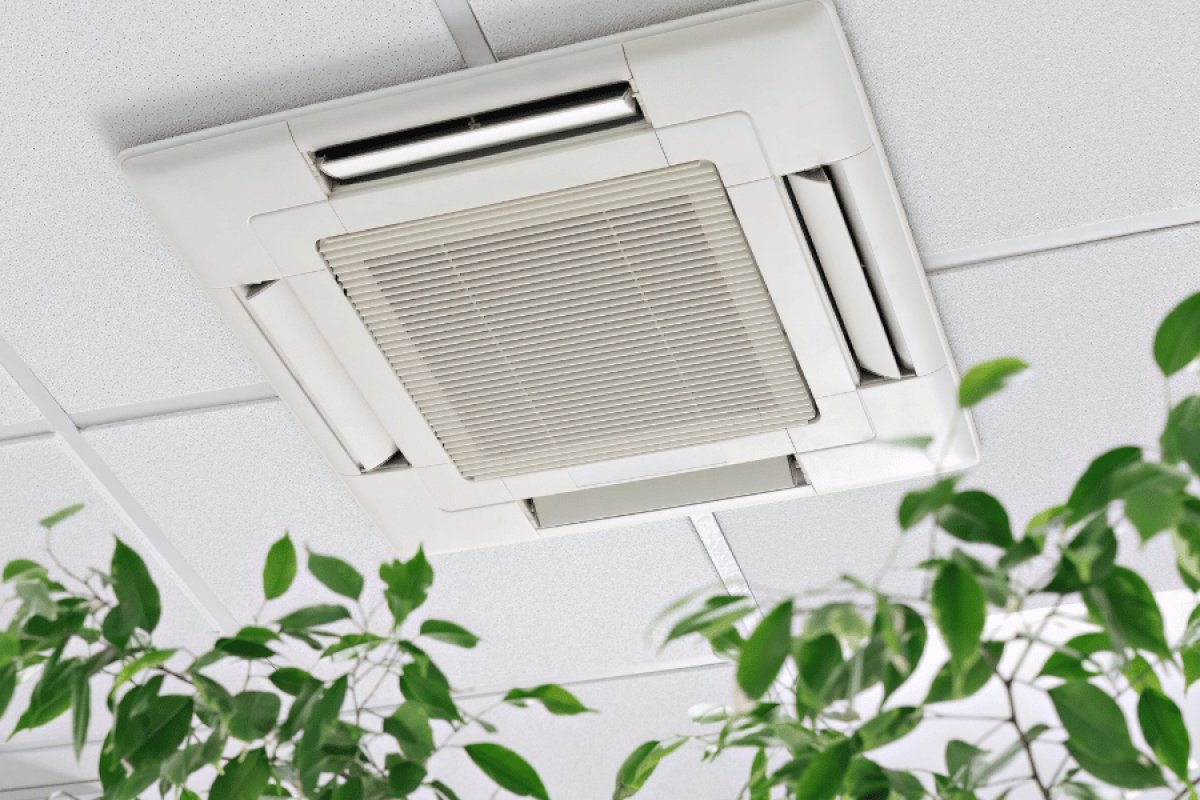
Why Your Indoor Air Quality Gets Worse in the Summer (and What You Can Do About It)
When you think about summer comfort, your first thought is probably keeping the house cool.
But temperature is only part of the equation.
Have you ever noticed your home feels stuffy even with the air conditioner running? Maybe you're dusting more often than usual, your allergies seem worse indoors, or there's a musty smell that never quite goes away.
If so, your indoor air quality could be to blame.
Summer creates the perfect conditions for dust, pollen, pet dander, and excess humidity to build up inside your home. Because your windows stay closed and your air conditioner runs for hours every day, the same air is constantly circulating throughout your living spaces.
The good news is that improving your indoor air quality doesn't always require major upgrades. A few simple habits, and making sure your HVAC system is doing its job, can help create a cleaner, healthier, and more comfortable home all summer long.
At ANC Heating & Air Conditioning, we've helped homeowners throughout the Southern Tier improve their home comfort for more than 60 years. Here are some of the most effective ways to breathe easier this summer.
Why Summer Can Make Your Indoor Air Quality Worse
When the temperatures rise, most homeowners do the same thing: close the windows, turn on the air conditioner, and stay inside.
While that keeps your home cool, it also means the air inside isn't being refreshed very often. Instead, your HVAC system continuously circulates the same indoor air throughout your home.
If your air filter is dirty, humidity levels are too high, or airflow is restricted, dust, pollen, pet dander, and other airborne particles can continue circulating instead of being captured and removed.
Summer also brings its own indoor air quality challenges. Pollen is at its peak, pets often shed more, and high humidity creates an environment where mold, mildew, and dust mites can thrive.
Some of the most common pollutants affecting homes during the summer include:
-
Dust and dust mites
-
Pollen tracked in from outdoors
-
Pet hair and dander
-
Mold spores
-
Household odors
-
Volatile organic compounds (VOCs) from cleaning products, paints, and other household products
Over time, these pollutants can make your home feel stuffy, worsen allergy symptoms, and reduce your overall comfort, even if your air conditioner is keeping the temperature exactly where you want it.
Signs Your Indoor Air Quality Needs Attention
Indoor air quality problems aren't always obvious, but your home often gives you clues.
You may want to take a closer look if you've noticed:
-
Dust building up shortly after cleaning
-
Allergy or asthma symptoms that seem worse indoors
-
A musty or stale smell
-
High humidity or sticky indoor air
-
More pet hair and dust floating through the house
-
Family members waking up congested
-
Certain rooms feeling stuffier than others
If several of these sound familiar, your HVAC system may not be filtering and circulating air as effectively as it should.
1. Replace Your Air Filter Regularly
If there's one simple step that can make a noticeable difference, it's replacing your HVAC air filter.
Your filter captures many of the airborne particles that circulate through your home, including dust, pollen, pet dander, and other allergens. During the summer, your air conditioner runs much more frequently, so that filter fills up faster than many homeowners realize.
A clogged filter doesn't just reduce indoor air quality.
It also restricts airflow, making your air conditioner work harder to cool your home. That can lead to higher energy bills and unnecessary wear on your system.
As a general rule:
-
Check your filter every month during the cooling season.
-
Replace it every 1–3 months, depending on the type of filter, whether you have pets, and if anyone in your home has allergies.
For even better filtration, ANC Heating & Air Conditioning recommends AprilAire Genuine Air Filters. These 4-inch filters can last 6–12 months, capture more allergens and airborne pollutants than standard filters, and help keep your HVAC system running efficiently.
Stop by our Endicott showroom or ask our team about the right AprilAire filter for your system.
2. Keep Indoor Humidity Between 30% and 50%
Humidity plays a much bigger role in indoor air quality than many homeowners realize.
When indoor humidity climbs too high, it creates an environment where mold, mildew, and dust mites thrive. It can also make your home feel warmer than it actually is, causing your air conditioner to run longer in an attempt to keep you comfortable.
On the other hand, maintaining healthy humidity levels helps create a more comfortable indoor environment while discouraging many common allergens.
For most homes, the ideal indoor humidity level is between 30% and 50%.
If your home constantly feels damp or sticky, even while the air conditioner is running, it could be a sign that your system isn't removing moisture as effectively as it should.
A professional inspection can help determine whether your HVAC system is controlling humidity properly.
3. Make Sure Your Return Vents Can Do Their Job
Many homeowners don't give much thought to their return vents.
In fact, some people mistake them for supply vents or accidentally block them with furniture, curtains, or storage bins.
Return vents pull air back into your HVAC system so it can be filtered and cooled before being circulated throughout your home again. When they're blocked, airflow becomes restricted, making your system less efficient and reducing its ability to filter airborne particles.
Take a few minutes to walk through your home and make sure return vents aren't covered by:
-
Furniture
-
Curtains
-
Area rugs
-
Storage boxes
-
Decorative items
Keeping these vents clear helps your HVAC system circulate and filter air more effectively.
4. Vacuum Smarter—Not Just More Often
Vacuuming removes dust, but the type of vacuum you use matters.
Older or lower-quality vacuums can actually stir fine dust and allergens back into the air while you're cleaning.
Using a vacuum equipped with a HEPA filter helps capture much smaller particles instead of allowing them to recirculate throughout your home.
While you're cleaning, don't forget areas where allergens tend to collect, including:
-
Area rugs
-
Upholstered furniture
-
Curtains
-
Under beds
-
Pet sleeping areas
Regular vacuuming, combined with a clean HVAC filter, can significantly reduce the amount of dust and allergens circulating indoors.
5. Let Fresh Air In When Conditions Are Right
It might sound surprising after talking about keeping windows closed, but bringing in fresh air can actually improve indoor air quality.
The key is choosing the right time.
Opening your windows for a few minutes during cooler, less humid mornings or evenings allows stale indoor air to be replaced with fresh outdoor air without forcing your air conditioner to work overtime.
Avoid opening windows during the hottest or most humid parts of the day, especially if pollen counts are high.
A little fresh air can go a long way toward making your home feel fresher and less stuffy.
Your HVAC System Plays a Bigger Role Than You Think
Even if you're replacing filters, vacuuming regularly, and controlling humidity, your HVAC system is still the heart of your home's indoor air quality.
If it's overdue for maintenance or isn't operating efficiently, it may struggle to filter contaminants, control humidity, and circulate air evenly throughout your home.
During a professional HVAC inspection, technicians can identify issues such as:
-
Dirty evaporator coils
-
Restricted airflow
-
Clogged or aging filters
-
Excess moisture inside the system
-
Leaky ductwork
-
Blower components that need cleaning or adjustment
Addressing these issues doesn't just improve air quality—it can also help your system run more efficiently and keep your home more comfortable throughout the summer.
Breathe Easier This Summer With Help From ANC Heating & Air Conditioning
Cleaner indoor air doesn't usually come from one big upgrade. It's the result of good habits, proper humidity control, regular HVAC maintenance, and a system that's operating the way it should.
If your home still feels dusty, humid, or stuffy despite your best efforts, it may be time to have your HVAC system evaluated.
For more than 60 years, ANC Heating & Air Conditioning has helped homeowners throughout Endicott, Binghamton, Vestal, Johnson City, Ithaca, and the surrounding Southern Tier communities improve indoor comfort with expert HVAC maintenance and indoor air quality solutions.
Schedule service online today and let our experienced team help you create a cleaner, healthier, and more comfortable home this summer.