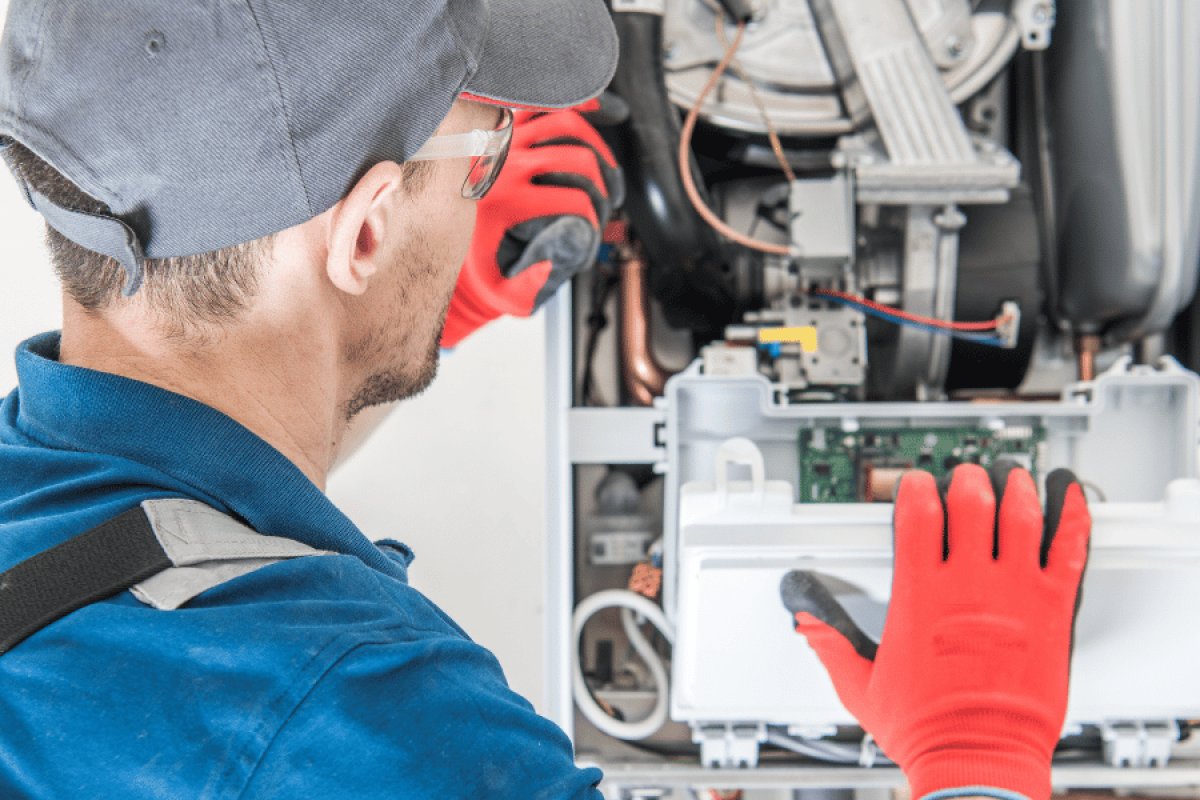
Don't Wait for Cold Weather: 3 Heating System Safety Checks Every Home Needs
It's easy to forget about your heating system in August. The air conditioner is still running, and winter feels a long way off.
But every year, the first chilly morning catches some homeowners by surprise. They switch on the heat only to discover strange noises, uneven heating, or a furnace that won't start. Even more concerning, hidden issues like carbon monoxide risks or a damaged heat exchanger can exist long before your system shows obvious signs of trouble.
That's why late summer is one of the best times to schedule a professional heating inspection. Addressing potential problems now gives you time to make repairs before the first fall freeze, and before the busy heating season begins.
At ANC Heating & Air Conditioning, we've helped homeowners throughout the Southern Tier prepare for winter for more than 60 years. Here are three critical safety checks that can help you head into the heating season with confidence.
Why Waiting Until It Gets Cold Can Cost You
Many homeowners have the same routine every year.
The weather changes, they switch the thermostat from cooling to heating, and they assume everything will work exactly as it did the previous winter.
Sometimes it does.
Sometimes it doesn't.
Heating systems sit unused for months, and components naturally wear over time. Small issues that weren't noticeable at the end of last winter can become much more apparent once the furnace starts cycling several times a day.
Waiting until temperatures drop also limits your options.
Once the first cold snap arrives, heating companies typically experience a surge in service calls from homeowners whose furnaces suddenly won't start or aren't heating properly. That can make it harder to schedule routine maintenance and may delay repairs if replacement parts are needed.
Scheduling an inspection before the heating season begins allows technicians to identify developing problems early, giving you time to make repairs before cold weather becomes a daily reality.
More importantly, it helps ensure your system is operating safely—not just efficiently.
Safety Check #1: Carbon Monoxide Testing Helps Protect Your Family
One of the most important parts of a heating inspection isn't something you can see—it's carbon monoxide testing.
Carbon monoxide (CO) is a colorless, odorless gas produced whenever fuels like natural gas, propane, or oil burn. Under normal conditions, your furnace safely vents these combustion gases outside your home.
If something interferes with that process, however, carbon monoxide can enter your living space without any obvious warning signs. Because you can't see or smell it, many homeowners don't realize there's a problem until dangerous levels have already built up.
Professional testing helps identify these issues before they become dangerous. During a heating inspection, technicians use specialized equipment to verify that your furnace is venting combustion gases safely.
Carbon monoxide testing can help identify:
-
Blocked or damaged venting
-
Combustion problems inside the furnace
-
Improper exhaust venting
-
Conditions that could allow carbon monoxide to enter your home
It's also important to understand that carbon monoxide detectors and professional inspections serve different purposes.
A detector alerts you when carbon monoxide has already reached unsafe levels inside your home. A professional inspection helps identify and correct the source of the problem before it gets to that point.
Every home with a fuel-burning furnace should have working carbon monoxide detectors installed outside sleeping areas. However, annual testing of your heating system remains just as important for protecting your household.
Safety Check #2: Your Heat Exchanger Deserves a Closer Look
Most homeowners have never seen their furnace's heat exchanger, but it's one of the most important safety components in the entire system.
Think of it as a protective barrier. It transfers heat into the air that circulates through your home while keeping combustion gases safely contained inside the furnace.
Over time, the heat exchanger expands and contracts every time your furnace runs. Years of heating and cooling cycles can eventually weaken the metal and lead to cracks or other damage that could lead to a larger repair if ignored.
During an inspection, technicians look for signs such as:
-
Cracks or corrosion in the heat exchanger
-
Metal fatigue caused by years of use
-
Evidence that combustion gases aren't staying contained
-
Other signs of wear that could affect safe operation
Many of these issues aren't visible from the outside, and a furnace can continue heating your home even with a compromised heat exchanger. That's why this inspection requires specialized tools and professional training.
Finding a problem before your furnace is running every day is far better than discovering it during the first stretch of freezing weather.
Safety Check #3: Your Energy Bills Can Reveal Problems Before Your Furnace Does
Not every safety check requires opening the furnace.
Sometimes, the clues are sitting in a stack of utility bills.
Take a look at last winter's heating costs and ask yourself a few questions:
-
Were your heating bills noticeably higher than the previous year?
-
Did your furnace seem to run much longer to keep the house comfortable?
-
Were certain rooms colder than others?
-
Did you find yourself constantly adjusting the thermostat?
A single high bill doesn't necessarily mean something is wrong. Utility rates fluctuate, and colder weather naturally increases heating costs.
However, a steady increase in energy usage without a clear explanation can point to a furnace that's losing efficiency.
Dirty burners, restricted airflow, worn components, failing blower motors, and other mechanical issues can all force your heating system to work harder than it should.
That extra strain doesn't just increase your utility bills—it also places more wear on the equipment over time.
Reviewing last year's performance before the heating season begins gives your technician valuable information and may help identify developing issues before they lead to larger repairs.
Other Warning Signs Your Heating System Shouldn't Ignore
Even if your energy bills seem normal, there are other signs your heating system may benefit from a repair before fall arrives.
Pay attention if you noticed any of the following toward the end of last heating season:
-
Unusual banging, rattling, or rumbling noises
-
Uneven temperatures from room to room
-
A furnace that cycles on and off frequently
-
A yellow burner flame instead of a steady blue one
-
Burning odors that linger long after the first startup
-
Weak airflow from your vents
Some of these issues have simple explanations, while others can point to safety concerns or components that are beginning to fail.
Either way, it's better to investigate them before your furnace becomes essential for everyday comfort.
What Happens During a Professional Heating Inspection?
If you've never scheduled heating maintenance before, you might wonder what actually happens during the appointment.
A professional heating inspection is much more than simply changing the filter. It's a comprehensive evaluation of your system's safety, performance, and overall condition before the heating season begins.
During a typical heating inspection, your technician will:
-
Inspect the heat exchanger for signs of cracks or damage
-
Test for carbon monoxide and verify proper venting
-
Examine burners and ignition components
-
Check electrical connections and safety controls
-
Verify proper airflow throughout the system
-
Test the thermostat to ensure it's operating correctly
-
Inspect or replace the air filter, if needed
-
Identify worn or failing components before they lead to bigger problems
The goal isn't just to make sure the furnace turns on. It's to verify that it's operating safely, efficiently, and reliably before the demands of winter arrive.
For many homeowners, that peace of mind is just as valuable as improving efficiency or preventing unexpected repairs.
Prepare Now—Before the First Cold Morning Arrives
The first fall freeze has a way of arriving faster than expected.
By then, your heating system becomes one of the hardest-working appliances in your home, and it's not the ideal time to discover a hidden safety issue or unexpected repair.
For more than 60 years, ANC Heating & Air Conditioning has helped homeowners throughout Endicott, Binghamton, Vestal, Johnson City, Ithaca, and surrounding Southern Tier communities prepare their heating systems for the season ahead.
Our experienced technicians perform thorough heating inspections designed to identify potential safety concerns, improve system performance, and help prevent surprises when colder weather arrives.
Schedule your heating service online today and enjoy the confidence of knowing your heating system is ready before you need it most.