Winter Carbon Monoxide Safety: A 7-Minute Home Check for Southern Tier Homeowners
Carbon monoxide (CO) is the ultimate "invisible" winter threat. You can’t see it, smell it, or taste it, which is why most homeowners in Greater Binghamton and Ithaca don't realize there’s a problem until it becomes an emergency.
In our region, winter creates a "perfect storm" for CO. We seal our homes tight to keep the heat in, our furnaces run around the clock, and heavy Southern Tier snow can easily block exhaust vents.
For more than 60 years, ANC Heating & Air Conditioning has helped protect families across Endicott, Binghamton, Vestal, Johnson City, Ithaca, and surrounding communities.
While a professional heating inspection is the most reliable way to ensure your home is safe, there are a few quick checks you can perform right now to reduce your risk, and they take less than 10 minutes.
Why Carbon Monoxide Risk Increases in Winter
Carbon monoxide forms whenever fuel burns, including natural gas, propane, oil, wood, or gasoline.
Under normal conditions, combustion gases vent safely outside. Problems occur when:
-
Ventilation is restricted
-
Exhaust pipes are blocked
-
Combustion isn’t happening correctly
Because winter reduces fresh air exchange and increases heating demand, even small issues can allow CO levels to rise.
Step 1: Check Window Condensation (A Ventilation Warning Sign)
Start by walking through your home and checking for heavy condensation on windows.
Persistent moisture often indicates limited ventilation. When indoor air is trapped and combustion gases cannot circulate properly, the risk of buildup increases.
What To Do
Crack a window about one inch in rooms that contain fuel-burning appliances, such as:
-
Kitchens
-
Furnace or boiler room
-
Water heater area
-
Fireplace rooms
That small amount of airflow can improve ventilation and reduce accumulation risk.
If condensation is widespread throughout the home, a ventilation evaluation may be necessary.
Step 2: Inspect Exterior Furnace & Boiler Vents After Storms
After heavy snowfall or strong winds, walk around your home and locate the white PVC vent pipes near the foundation or exterior walls.
These pipes exhaust combustion gases from high-efficiency heating systems.
If they are blocked by snow, ice, leaves, or debris, carbon monoxide cannot escape properly. Instead, it may backdraft into the home.
This is one of the most common winter CO hazards in Upstate New York.
What To Do
-
Clear at least 12 inches around each vent
-
Ensure intake and exhaust openings are unobstructed
-
Remove snow drifts promptly after storms
If you notice repeated icing, frost buildup, or unusual exhaust odors, schedule a professional inspection.
Step 3: Check Your Gas Stove Flame Color
Your stove flame provides a visible indicator of combustion quality.
-
Blue flame = proper combustion
-
Yellow or orange flame = incomplete combustion
Incomplete combustion produces carbon monoxide.
Often, yellow flames are caused by clogged burner ports. Grease or debris disrupts the air-to-gas ratio.
What To Do
-
Turn off the burner and allow it to cool
-
Use a toothpick or small wire brush to gently clean burner holes
-
Restore airflow and recheck the flame
If the flame remains yellow, the appliance should be professionally evaluated.
Additional Warning Signs of Carbon Monoxide Issues
In addition to the steps above, watch for:
-
Rusted or disconnected vent pipes
-
Corrosion around furnace flue connections
-
Soot buildup near gas appliances
-
Pilot lights that frequently go out
-
Strong exhaust odors in mechanical areas
These signs may indicate venting or combustion problems that require professional attention.
Know the Symptoms: Carbon Monoxide vs. the Flu
Carbon monoxide poisoning often resembles common winter illness without a fever.
Early Symptoms
-
Dull headaches
-
Fatigue or weakness
-
Dizziness
-
Nausea
Severe Symptoms
-
Confusion
-
Blurred vision
-
Shortness of breath
-
Loss of consciousness
If multiple people or pets in your home feel sick at the same time, leave immediately and call 911. Do not attempt to ventilate the house yourself. Get to fresh air first.
Your Last Line of Defense: Carbon Monoxide Detectors
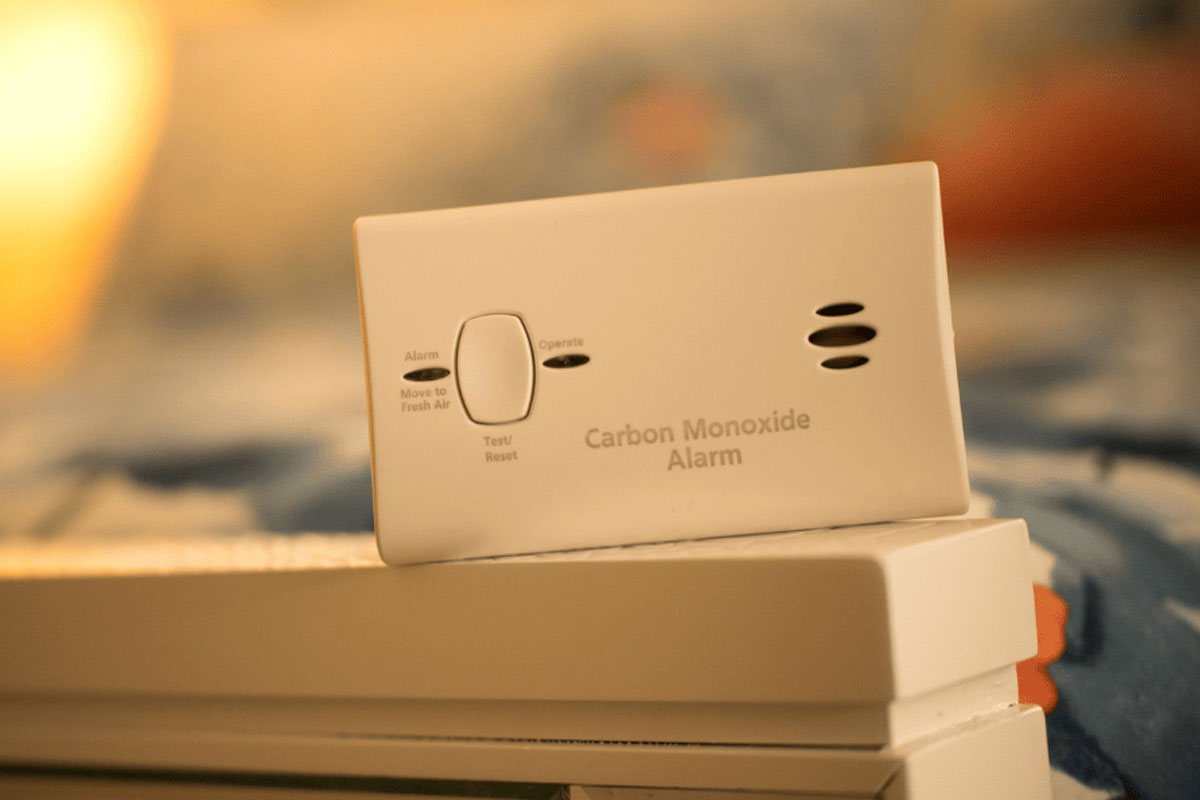
Carbon monoxide detectors are essential in every home.
To ensure they work properly:
-
Install at least one detector on every level
-
Place detectors within 10 feet of sleeping areas
-
Test monthly using the “Test” button
-
Replace units every 7–10 years (check manufacture date)
If an alarm sounds, leave immediately and contact emergency services.
Detectors provide warning, but they do not replace equipment maintenance.
Why a Professional Inspection Is Critical
A quick home check reduces risk, but it cannot detect internal equipment failures.
Common hidden causes of carbon monoxide leaks include:
-
Failing gas valves
-
Improper draft
-
Incomplete combustion inside the furnace
These problems require specialized tools to identify.
With more than 60 years serving the Southern Tier, ANC understands the winter-specific risks local homes face and the importance of thorough heating system inspections.
Protect Your Home This Winter
Carbon monoxide incidents rise every winter because homes are sealed tightly and heating systems work harder. Spending a few minutes checking ventilation, exterior vents, and flame color can significantly reduce your risk.
Take a few minutes today to protect your home, and schedule your annual safety inspection with ANC to breathe easier all winter long.