Power Surges and Your AC: Why Summer Storm Season Is the #1 Threat to Your Home's HVAC System
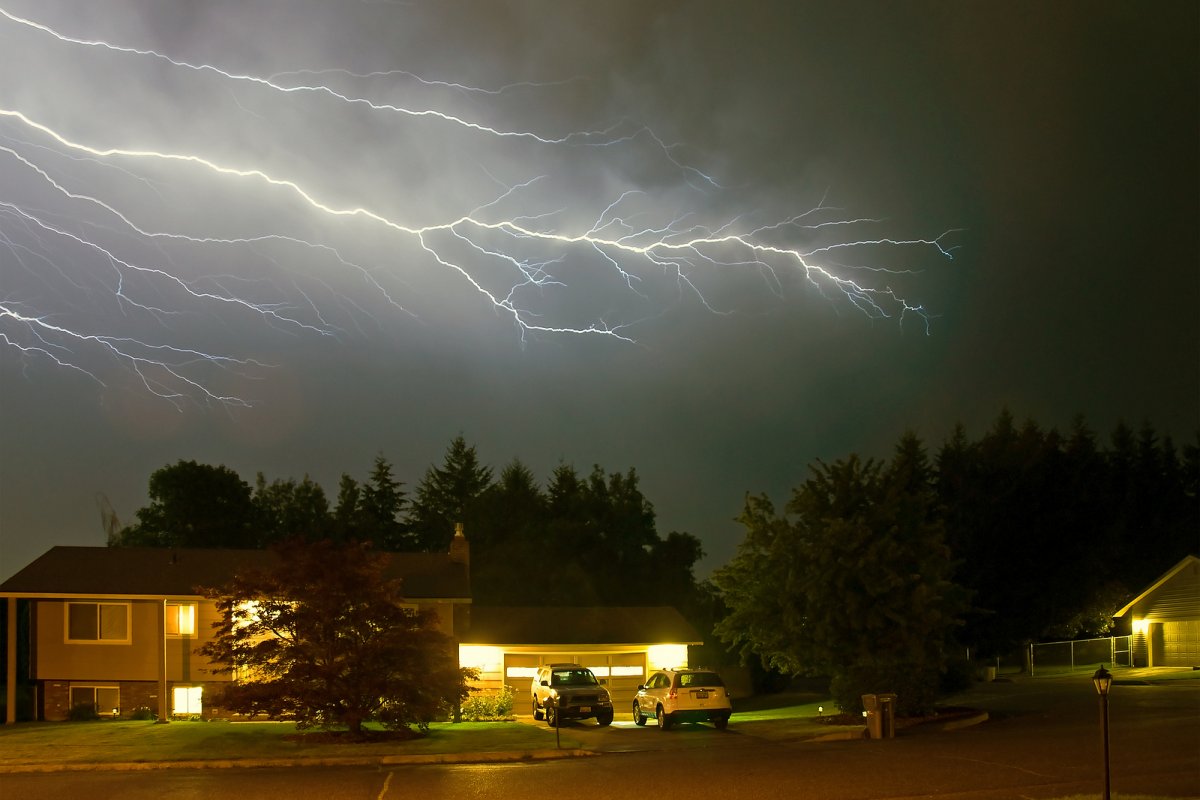
You know the feeling. A summer thunderstorm rolls through the Southern Tier, the lights flicker, and you hold your breath waiting to see if the power stays on. Most of the time, everything bounces back — but what you don’t see is what that flicker just did to the circuit board inside your air conditioner.
Here in Greater Binghamton, severe storms ramp up sharply from May through August. And the number one casualty of those storms isn’t your TV or your router — it’s your HVAC system. Your central air conditioner is the most expensive electrical appliance in your home, and it’s also the most vulnerable to power surges. This post walks through why that’s the case, what surge damage actually looks like, and how a properly installed whole-house surge protection system can save you thousands in replacement costs.
Why Your Air Conditioner Is a Magnet for Surge Damage
Modern air conditioners aren’t the simple, rugged machines your grandparents had. Today’s high-efficiency units — the kind that deliver the utility savings you’re paying a premium for — rely on sensitive electronic control boards, variable-speed compressors, and communicating thermostats. That sophistication is exactly what makes them efficient, and exactly what makes them fragile when voltage spikes hit the line.
A single lightning strike a mile away can send a voltage surge through the power grid that briefly pushes thousands of volts into your home’s 240-volt circuits. Your AC’s circuit board, which is designed to operate within a narrow voltage window, simply can’t absorb that hit. The board fries — and replacing it often costs $800 to $2,500, assuming the part is even still manufactured for your unit.
Worse, many homeowners don’t realize the damage happened until weeks later, when the system stops responding to the thermostat or trips breakers repeatedly. By then, the surge event is long gone, and so is any hope of filing a successful insurance claim without documentation.
It’s Not Just Lightning — Everyday Grid Events Cause Slow Damage Too
Lightning gets all the attention, but the reality is that most surge damage comes from smaller, repeated events that chip away at your equipment over time. These include:
- Utility switching operations when NYSEG reroutes power during storms or maintenance
- Downed lines that briefly connect higher-voltage distribution circuits to residential service
- Large appliances cycling on and off in your own home (refrigerators, well pumps, dryers)
- Momentary outages that cause voltage to sag and then spike when power returns
Each of these micro-events shortens the lifespan of your AC’s electronics. A system that should last 15 years might start showing board failures at year 8 if it’s taken enough hits. You can check current outage activity and grid events through the NYSEG outage map to get a sense of how often your neighborhood is affected.
How Whole-House Surge Protection Actually Works
A lot of homeowners assume the power strip behind their TV is doing the job. It isn’t — at least not for your HVAC equipment, which is hardwired directly into your electrical panel and bypasses any plug-in protection entirely.
Real protection starts at the service entrance and at the AC disconnect itself. A properly installed whole-house surge protector mounts at your main electrical panel and shunts excess voltage to ground before it can travel through your home’s circuits. For the AC specifically, we install a dedicated surge and voltage monitoring device at the outdoor disconnect box — the last line of defense before power reaches the compressor.
The units we install combine gas discharge tube technology with thermally fused metal oxide varistors, which together handle both massive spikes (like lightning) and sustained over/under voltage conditions that slowly cook circuit boards. They also include service disconnects and programmable voltage cutoffs, so if your utility delivers unstable power during a storm, the system shuts off your AC until safe voltage returns — preventing the damage before it happens.
What Surge Damage Costs — and What Protection Costs
Let’s put real numbers on this. A typical surge-damaged central AC in our area runs $1,200 to $3,500 to repair, depending on what fried. If the compressor itself takes a hit, you’re often looking at full AC replacement, which can run $6,000 to $12,000 for a properly sized, installed system.
Whole-house surge protection installed at your panel and AC disconnect typically costs a few hundred dollars — a fraction of a single repair. Most systems also come with connected equipment warranties, meaning if the surge protector fails to do its job during a covered event, the manufacturer helps pay for the damaged HVAC equipment. That’s a safety net you don’t get from a plug-in strip.
If you’ve already invested in properly sized, efficient equipment — the kind we discuss in our guide on choosing the right size AC for your home — it makes no sense to leave that investment unprotected.
When to Call a Professional
Surge protection is one of those things that’s simple when done right and dangerous when done wrong. Installation involves your main electrical panel, your AC disconnect, and proper grounding — all of which require a qualified technician working with the power shut off at the service entrance. This is not a DIY project, and most manufacturer warranties are voided if the device isn’t professionally installed.
You should schedule a surge protection assessment if:
- Your AC is more than 5 years old and has never had dedicated surge protection installed
- You’ve had any equipment damaged in past storms (TVs, appliances, garage door openers)
- Your neighborhood experiences frequent flickers or brief outages
- You’ve recently invested in a new high-efficiency HVAC system or smart thermostat
- Your home is on an older electrical service that predates modern surge standards
Our NATE-certified technicians can evaluate your panel, your AC disconnect setup, and your grounding system in a single visit. If you want to see what this kind of protection looks like in context, our blog post on why every homeowner needs professional surge protection walks through the broader case. You can also bundle this assessment with your annual AC maintenance visit to save a trip charge.
Don’t Wait for the First Big Storm of the Season
Every summer, we get calls the morning after a severe thunderstorm from homeowners staring at an AC that won’t turn on. By then, the damage is done and the repair bill is coming. The smart play is to get surge protection in place before storm season peaks — which, in the Southern Tier, means May and early June.
If you’re already a Gold Eagle maintenance plan member, you’re already getting priority scheduling and discounted service — ask your technician about adding surge protection at your next visit. If you’re not a member yet, a surge protection call is a great time to see how we work.
Call us at (607) 748-6435 or request an appointment online. Our team has been protecting homes across Greater Binghamton, the Southern Tier, and surrounding communities since 1963, and we’ll give you a straightforward assessment with no pressure.