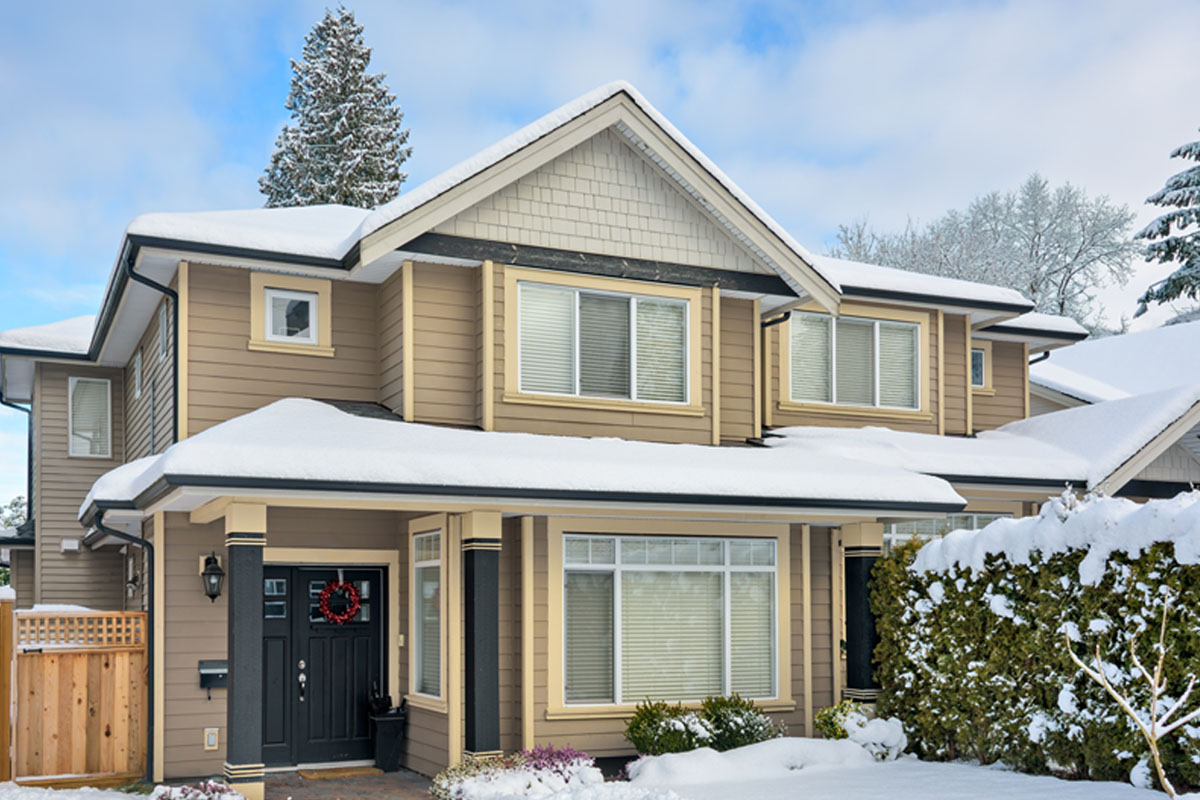
How Ductless Heat Pumps Handle Brutal Binghamton Winters: Cold Climate Performance Explained
When temperatures in the Greater Binghamton area drop into the single digits — or below zero — the last thing you want is to worry about whether your heating system can keep up. It's no surprise that many Southern Tier homeowners are skeptical when they hear that a heat pump can handle our winters. After all, the old heat pump technology of decades past earned a reputation for struggling in cold weather.
But today's cold-climate ductless heat pumps are a completely different story. With 60+ years of HVAC experience across the Southern Tier, ANC Heating and Air Conditioning has seen firsthand how modern inverter-driven ductless systems perform even in our harshest conditions. Here's what every Binghamton homeowner should know.
Why Old Heat Pumps Failed in Cold Weather — And Why New Ones Don't
Traditional heat pumps used fixed-speed compressors that could only run at one speed: full blast or off. When outdoor temperatures dropped below about 30°F, these systems lost efficiency quickly and often relied on expensive electric backup heat strips to keep up. That's where the "heat pumps don't work in the cold" myth was born.
Modern ductless heat pump systems, like the Daikin inverter-driven lineup, use variable-speed compressor technology that adjusts output continuously based on demand. Instead of cycling on and off, the compressor ramps up in extreme cold and dials back when conditions are milder. This means consistent warmth without the energy waste — and without the need for backup heat strips in most applications.
Real Performance Numbers: Heating Down to -13°F
Here's the fact that surprises most homeowners: Daikin's cold-climate ductless heat pumps are rated to provide heating at outdoor temperatures as low as -13°F. That covers the vast majority of winter conditions we experience across the Binghamton, Endicott, Owego, and Ithaca areas.
Even on the coldest nights, these systems continue extracting heat from the outdoor air and transferring it inside. It sounds counterintuitive — how can you pull heat from frigid air? — but refrigerant technology has advanced dramatically. Today's systems use refrigerants like Daikin's R-32 formulation that perform more efficiently at lower temperatures, maintaining strong heating output even when conditions are extreme.
Energy Savings That Make a Real Difference
For homeowners currently heating with oil, propane, or electric baseboard, the switch to a ductless heat pump can produce significant savings on monthly energy bills. Daikin's inverter technology reduces energy consumption by up to 30% compared to traditional fixed-speed systems — and the savings are even more dramatic compared to electric resistance heating.
Here's how those savings add up for Binghamton area homeowners:
- Variable-speed operation means the system only uses the energy it needs at any given moment, rather than cycling at full power
- No ductwork losses — traditional ducted systems can lose 20-30% of heated air through leaky or uninsulated ducts
- Zone control lets you heat occupied rooms without wasting energy on empty spaces
- Federal tax credits for qualifying heat pump installations make the upfront cost more affordable
If you're interested in what tax incentives may apply to your situation, check out our guide on HVAC tax credits available to Binghamton homeowners. Additionally, NYSEG offers rebate programs for high-efficiency heat pump installations that can further offset costs.
How a Ductless Heat Pump Handles a Typical Binghamton Winter Day
Let's walk through what actually happens on a cold January day in the Southern Tier. Say it's 5°F outside when you wake up. Your ductless heat pump has been running at a moderate speed all night, maintaining your set temperature without any dramatic swings. There's no loud click of a furnace cycling on — just steady, quiet warmth.
As the sun comes up and outdoor temperatures climb to the mid-20s, the system automatically dials back its compressor speed, using less energy while still keeping your rooms comfortable. When the sun goes down and temperatures drop again, the system ramps back up — all without you touching the thermostat. Many Daikin systems can be monitored and adjusted from your smartphone, giving you full control whether you're at home or away.
This is a fundamentally different experience from the on-off cycling of a traditional furnace, and it's why homeowners who make the switch often tell us their home has never felt more consistently comfortable.
Is a Ductless Heat Pump Right for Your Binghamton Home?
Ductless heat pumps aren't the right fit for every situation, and that's something we'll always be upfront about. They work exceptionally well for:
- Homes without existing ductwork (common in older Binghamton, Johnson City, and Endicott neighborhoods)
- Room additions, sunrooms, and finished basements that need independent climate control
- Homeowners looking to reduce oil or propane dependence
- Whole-home heating and cooling through multi-zone configurations
For homes with existing ductwork in good condition, a high-efficiency ducted heating system or a ducted heat pump may be a better choice. The best way to know for sure is to have a professional assess your home's specific needs.
When to Call ANC Heating and Air Conditioning
If you've been curious about ductless heat pumps but weren't sure they could handle our winters, we hope this puts some of those concerns to rest. Today's cold-climate systems are proven, efficient, and built for exactly the kind of weather we get in the Southern Tier.
Our NATE Certified technicians will evaluate your home, discuss your comfort goals, and recommend the right system — whether that's a single-zone ductless unit or a whole-home multi-zone setup. We'll make sure it's properly sized and installed for maximum performance and efficiency.
Call ANC Heating and Air Conditioning today at (607) 748-6435 or schedule an appointment online. Let's find the right heating solution for your home.